Welcome to Tasmania
Welcome to Tasmania
- Details
- Created on Thursday, 17 November 2011 02:52
- Last Updated on Monday, 15 April 2013 04:12
- Written by Administrator
- Hits: 1755

Welcome to Tasmania
Tasmania is Australia's only island state and is one of the nation's top holiday destinations. A compact island, Tasmania offers a variety of things to see and do, with most destinations being only a few hours apart. It is an island of wonder, majesty, adventure and relaxation.
Visiting Tasmania, you will find unspoiled coastal environments, friendly towns and villages, and more than 1000 mountain peaks. Our soils are rich and fertile, and our wines, seafood and produce have a worldwide reputation.
Some interesting facts about Tasmania:
- Tasmania has officially the freshest, cleanest air in the world.
- Formally, almost 37% of Tasmania is in reserves, National Parks and world heritage areas.
- Tasmania is 354 kilometres long from the northernmost point to the southernmost point.
- Tasmania is an archipelago, with more than 300 islands.
Getting to and around Tasmania
Travellers begin by crossing Bass Strait by boat or plane, before embarking on their holiday. Many visitors opt for a self-drive holiday when touring Tasmania, either by hire car or in their own vehicle. Getting Here will give you some great ideas to begin planning your travel.

What to See and Do in Tasmania
For what to see and do when travelling around our state, visit our Itineraries page for great ideas to start planning your holiday.
Our Attractions page will also provide you with some wonderful activities, from a relaxing sunset cruise to action-packed hand glide through the treetops.
Every month Tasmania has an abundance of festivals, activities and events to choose from, all sure to liven up any holiday to the state. Why not visit our Events page for more ideas on what to do.
The TasVillas Group reservation staff are always happy to help customise a holiday itinerary to suit your needs and wishes. We can design a full itinerary for your holiday, taking the hassle away from you. Book all your accommodation, attractions and travel through our one-stop reservations office.
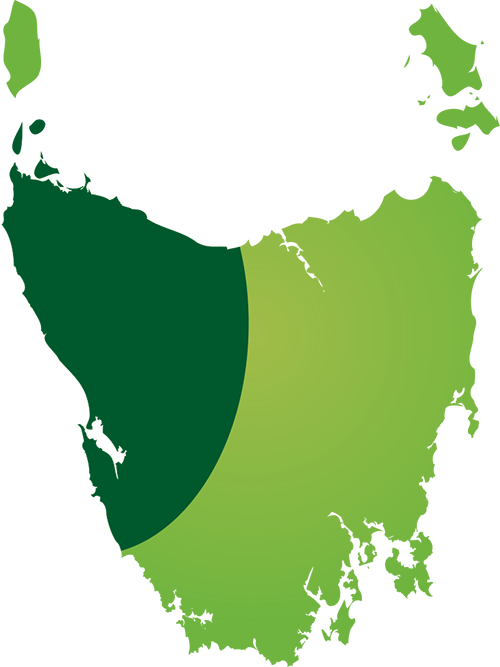
Tasmania's Regions
| Launceston and the Tamar Valley |
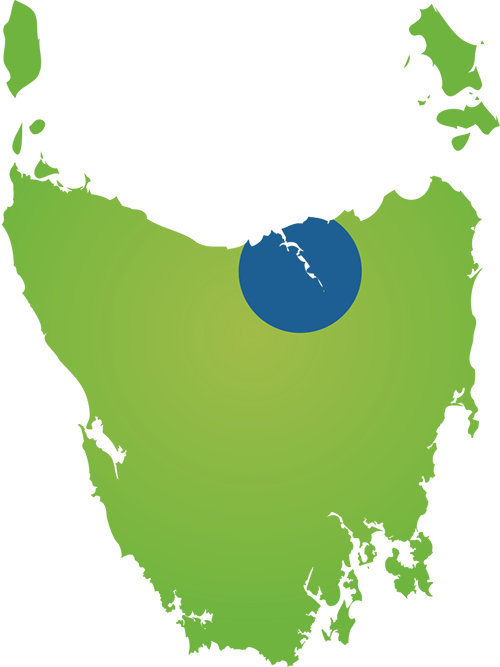
Launceston is a delightful city situated on the banks of the Tamar Valley in the state's north. A wide array of dining options can be found at the Seaport precinct and the city. The city boasts wonderful examples of Victorian and Georgian architecture, and has many wonderful parks; including Princes Park and City Park, with the Japanese Macaque Monkey enclosure.
Launceston centres on the stunning Cataract Gorge Reserve. Beautifully set in native bush lands, it has the longest single-span chairlift in the world, and peacocks and wildlife can be sighted around the reserve.
The climate and the gently sloping hills of the surrounding area have proved to be ideal for grape growing, and as a result, Launceston is the gateway to the celebrated wineries of Tasmania's north. Selected tours will take you to sample the delicious white, red and sparkling wines.
On the outskirts of Launceston is along the Tamar Valley, are the towns of Beaconsfield, known for the Beaconsfield Mining and Heritage Centre, and Beauty Point, with Seahorse World and Platypus House. On the eastern side of the Tamar River are the historic towns of Georgetown and Low Head. Low Head is home to the Pilot Station and the Low Head Penguin Tour. North east of Launceston is the notable Lilydale Falls and Bridestowe Lavender Farm, the largest lavender farm in the Southern Hemisphere. This area is also home to the world-acclaimed Barnbougle Dunes and Lost Farm Golf Course at Bridport, a must for the golf enthusiast.
For in-depth information on the regions of Launceston and the Tamar Valley and surrounds, please click on the links below:
| East Coast, Midlands and Tasman Peninsula |
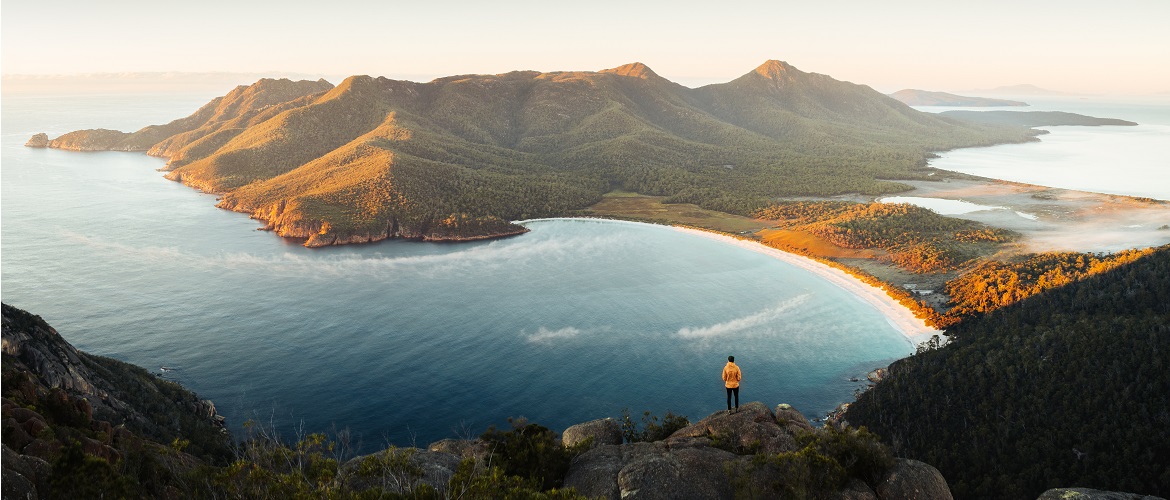
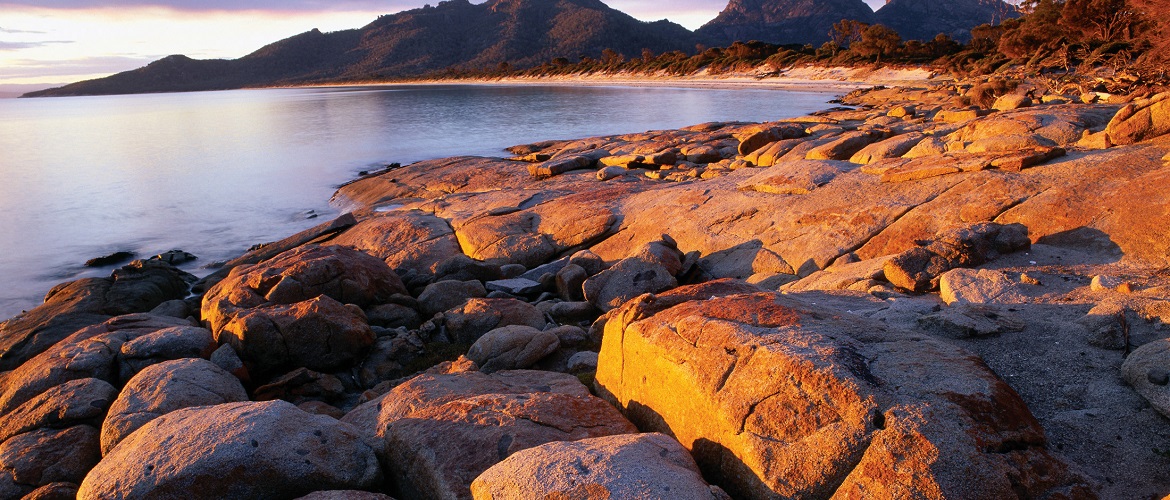
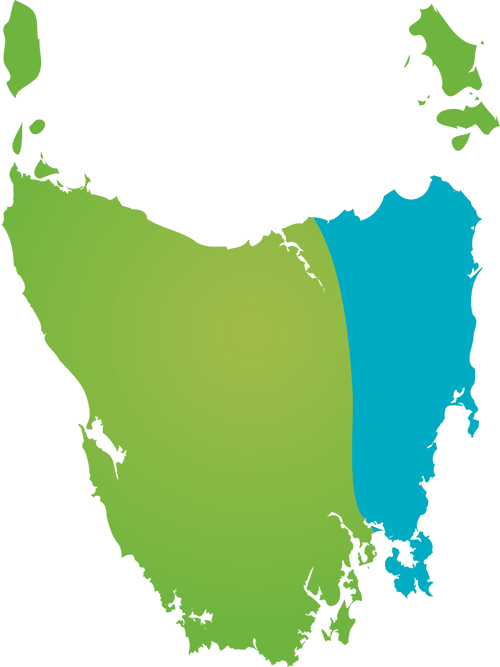
Sparkling beaches dominate the coastline of Tasmania's East Coast and include the world famous Bay of Fires and Wineglass Bay. The scenery is a photographer's dream, with the pink granite 'Hazards' at Freycinet being especially noteworthy. Bushwalkers will find great walking trails at Douglas Apsley, Mt William, and Freycinet National Parks. Sample the delicious produce the the vineyards and berry farms have to offer. The crayfish, scallops and oysters from the East Coast are some of the best seafood produce you will find in the world.
South of the Freycinet Peninsula is Maria Island National Park, which is rich in aboriginal and convict history, and features incredible scenery, including native fern gullies and fissil studded sandstone and limestone cliffs.
Evandale, Ross, Oatlands, Bothwell and Richmond are charming historical towns along the Midlands Highway (A1), each notable for their wonderful architecture, historical significance, and picturesque cottage gardens. Campbell Town has the convict brick trail and Ross houses the Female Convict Station. Richmond is the epicentre of Tasmania's history with Australia's oldest bridge, convict gaol, and practising Catholic church.
In the far south east is the Tasman Peninsula, best known for the Port Arthur Historic Site and convict coal mines, which offer an intrinsic display of our past.
The natural beauty of the Tasman National Park contains deep sea caves, and some of the highest and most spectacular sea cliffs in Australia.
The Devil's Kitchen, Blowhole, Remarkable Cave and the Tessellated Pavement are intriguing natural formations that show just how unique Tasmania is.
For in-depth information on the regions of Launceston and the Tamar Valley and surrounds, please click on the links below:
| The West, North West and Cradle Valley |
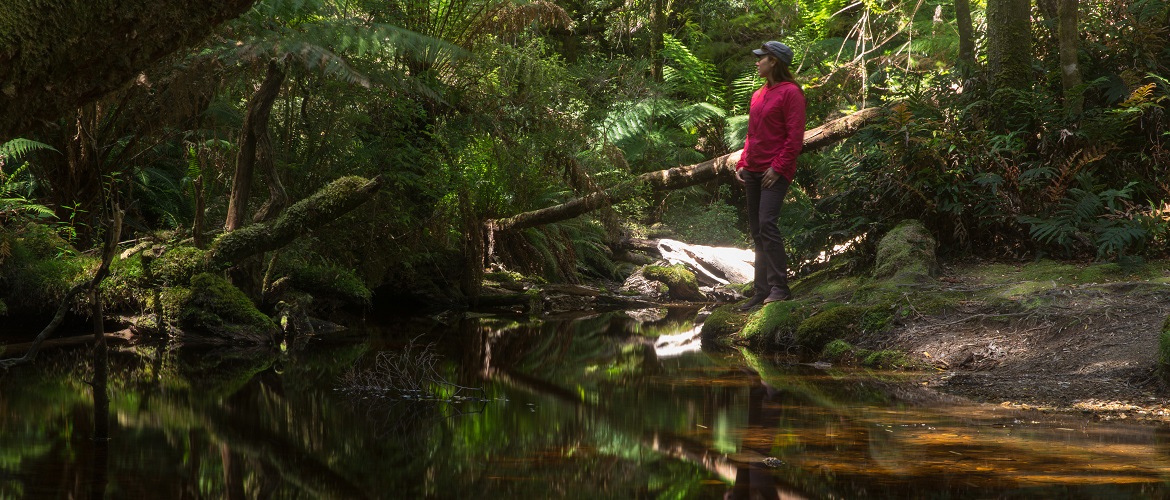
The west is rich in majestic forests and wild landscapes, with a vast amount of this region being World Heritage protected area. The long-term effects of mining in this region are most evident in Queenstown, with its distinctive landscape. On the banks of the Macquarie Harbour is the town of Strahan, the gateway to the majestic Gordon River, ancient rainforests and the Sarah Island convict settlement.
Devonport is the departure point of the Spirit of Tasmania ferry, and has the Tiagarra Centre - a great source of information on Tasmanian indigenous history.
The Great Western Tiers is abundant in local produce centres, which are open to the public. Enjoy spectacular scenery and learn about the glow-worms at the unique Mole Creek Caves. Latrobe is the platypus capital of the world, with the Platypus Interpretation Centre at the Axeman's Hall of Fame.
Between the two large geological features of the Nut at Stanley and Table Cape in Wynyard, is Rocky Cape National Park, rich in aboriginal history, wildflowers and popular for bushwalking, diving and snorkeling.
Deserving mention is the nearby Tarkine Wilderness - the largest temperate rainforest in Australia. Cape Grim in the far north west is known as the edge of the world has officially the cleanest air in the world.
The iconic mountainscape of Cradle Mountain is one of Tasmania's most visited attractions, and is popular for bushwalks and kayaking.
For in-depth information on the regions of the West, North West and Cradle Valley please click on the links below:
| Hobart and the South West |
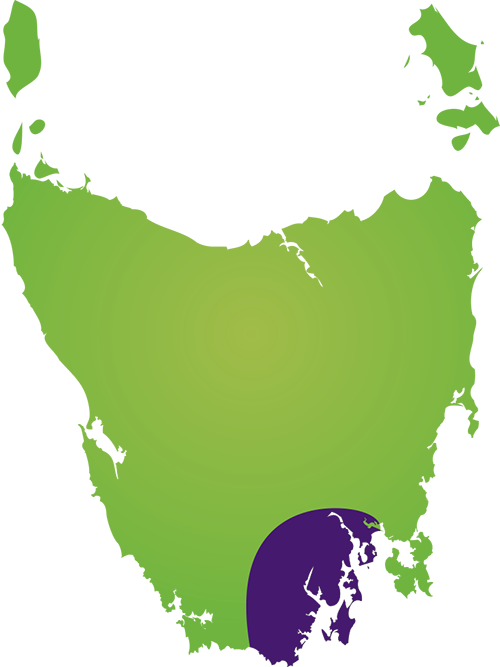
Founded in 1804, Hobart is Australia's oldest capital city. Nestled under Mt Wellington, you can enjoy magnificent panoramic views of the city from the summit. Hobart boasts many impressive parks and gardens, including St David's Park and the Royal Botanical Gardens. It is also renowned for its fine restaurants, most notably in Salamanca Place, Sullivans Cove, Sandy Bay and North Hobart. Wrest Point Casino in Sandy Bay is the South Pacfic's oldest casino.
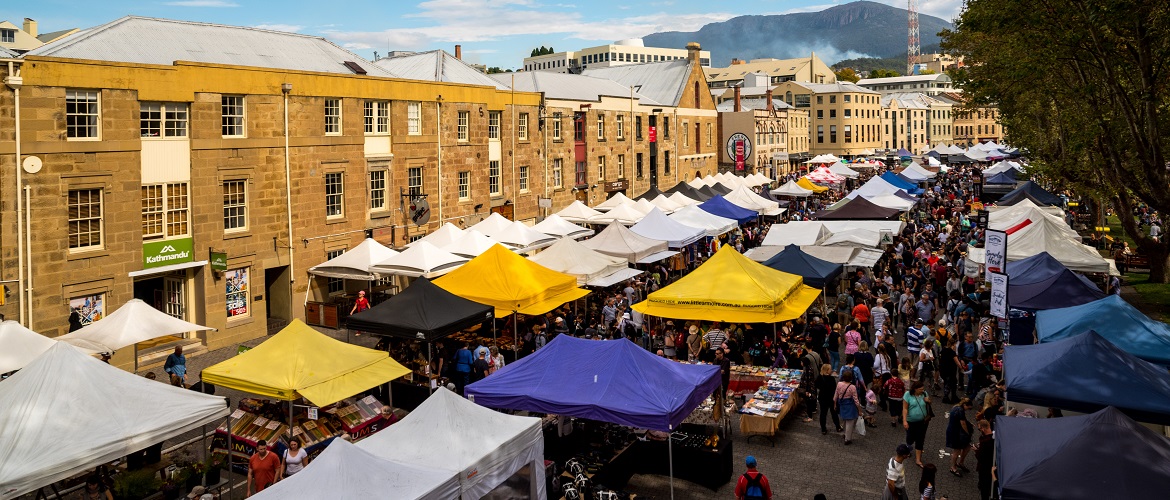
Historic Battery Point is a great example of convict-era architecture, and is walking distance from Salamanca Place, which houses a variety of niche art studios and boutique shops, and the extremely popular Salamanca Market every Saturday.
Overlooking the Derwent River is the Moorilla Estate winery and the world class MONA (Museum of Old and New Art), which has gained worldwide recognition for its contemporary and historic artworks. In the outer suburbs of Hobart, you will also find the Cadbury Chocolate Factory and Cascade Brewery.
South west of Hobart is a world of extensive and serene waterways, wild coastlines and boutique vineyards. There is a wonderful array of orchards growing great quality cherries, plums, apricots, pears and Tasmania's famous apples. The Hastings Caves and Thermal Springs are a must-see, located just north of Southport.
South of Hobart, via the ferry from Kettering, is the wonderous Bruny Island, filled with stunning beaches, towering sea cliffs, and picturesque countryside.
The pristine and rugged wilderness of the Mt Field and Hartz Mountains National Parks are majestically scenic and great for bushwalking or taking a forest drive.
For in-depth information on the regions of the West, North West and Cradle Valley please click on the links below:

Tasmania's Seasons
Tasmania enjoys four distinct seasons; however our variable climate will sometimes result in “four seasons in one day”. Overall, we enjoy a mild maritime climate, with rainfall predominantly on the west coast and semi-arid areas on the eastern coastline.
Every season brings a variety of opportunities for touring, feasting, cruising, walking, and enjoying what Tasmania has to offer.
Things you need to know about the four seasons of Tasmania:
Summer is December to February
A season of fun and festivals, and the peak bushwalking season. Long summer evenings are great for extended sightseeing with darkness coming slowly. Average temperatures in summer are 17 to 28 degrees.
Autumn is March to May
Usually a settled season with calm sunny days. Native fagus and European deciduous trees change colour, making it a favoured season with photographers. It is harvest time, with produce at its best.
Winter is June to August
Snow begins to fall on the highland peaks. Days are crisp with beautiful clear blue skies. Mountain snowfall is still common up until October. Average temperatures in winter are 3 to 13 degrees.
Spring is September to November
Spring in Tasmania is a transitional time of year, with winter weather patterns beginning to take on the shape of summer. A great time to visit the gardens around the state as they blossom into life.
When visiting Tasmania in any season, you will need to bring your coat, as well as a hat and sunglasses. All year round, there is something to see, do and experience on the Island of Inspiration.